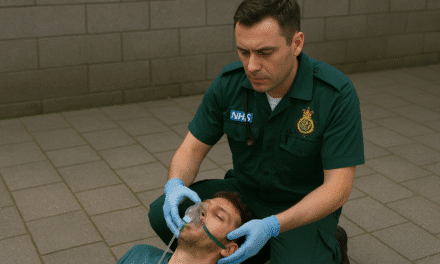

As a paramedic, you may encounter patients who are experiencing excited delirium syndrome (EDS). EDS is a condition characterized by extreme agitation, delirium, and hyperthermia, which can lead to cardiac arrest and death if not promptly recognized and treated. This article will provide an overview of EDS, its signs and symptoms, and the appropriate management for patients presenting with this condition.
Signs and Symptoms of Excited Delirium Syndrome
The most common presenting symptoms of EDS are agitation, confusion, and altered mental status. Patients with EDS may exhibit bizarre behavior, such as tearing off their clothes, shouting, or engaging in violent behavior. Hyperthermia, tachycardia, and hypertension are also common physical symptoms.
It is important to note that the exact cause of EDS is still unknown, but it is believed to be a result of a combination of medical and psychiatric factors. Individuals with a history of substance abuse, mental illness, or head trauma may be at a higher risk for developing EDS.
Management of Excited Delirium Syndrome
The management of EDS requires a multidisciplinary approach that involves the use of appropriate medications and de-escalation techniques. The first step in managing patients with EDS is to ensure their safety and that of the medical team. This may involve restraining the patient to prevent self-harm or harm to others.
Sedation is a critical component of the management of EDS. Benzodiazepines and antipsychotics are commonly used to calm the patient and reduce their agitation. However, it is important to note that the use of sedatives should be done with caution, as excessive sedation can lead to respiratory depression and cardiac arrest.
Physical restraint and sedation alone are not enough to manage EDS. De-escalation techniques such as verbal communication, distraction, and environmental modifications can also be helpful. For example, providing a calm and quiet environment and using non-confrontational language can help to reduce the patient’s agitation and prevent escalation.
It is also important to consider the underlying medical and psychiatric conditions that may be contributing to the patient’s symptoms. Addressing these underlying issues can improve the patient’s outcome and prevent future episodes of EDS.
Conclusion
EDS is a complex condition that requires a multifaceted approach to management. As a paramedic, recognizing the signs and symptoms of EDS and implementing appropriate interventions is crucial to preventing adverse outcomes. By working closely with other healthcare professionals, such as emergency physicians and mental health professionals, you can provide optimal care for patients with EDS.
References:
- Vilke GM, DeBard ML, Chan TC, et al. Excited Delirium Syndrome (ExDS): defining based on a review of the literature. J Emerg Med. 2012;43(5):897-905.
- Hopper AB, Vilke GM, Castillo EM, Campillo A, Davie T, Wilson MP. Ketamine use for acute agitation in the emergency department. J Emerg Med. 2015;48(6):712-719.
- Vilke GM, Sloane C, Smith AM, et al. Excited delirium syndrome (ExDS): treatment options and considerations. J Forensic Leg Med. 2012;19(3):117-121.
- Wilson MP, Pepper D, Currier GW, Holloman GH Jr, Feifel D. The Psychopharmacology of Agitation: Consensus Statement of the American Association for Emergency Psychiatry Project BETA Psychopharmacology Workgroup. West J Emerg Med. 2012;13(1):26-34.
- Langevin PB, Zun L, Langlais B, et al. Exc