






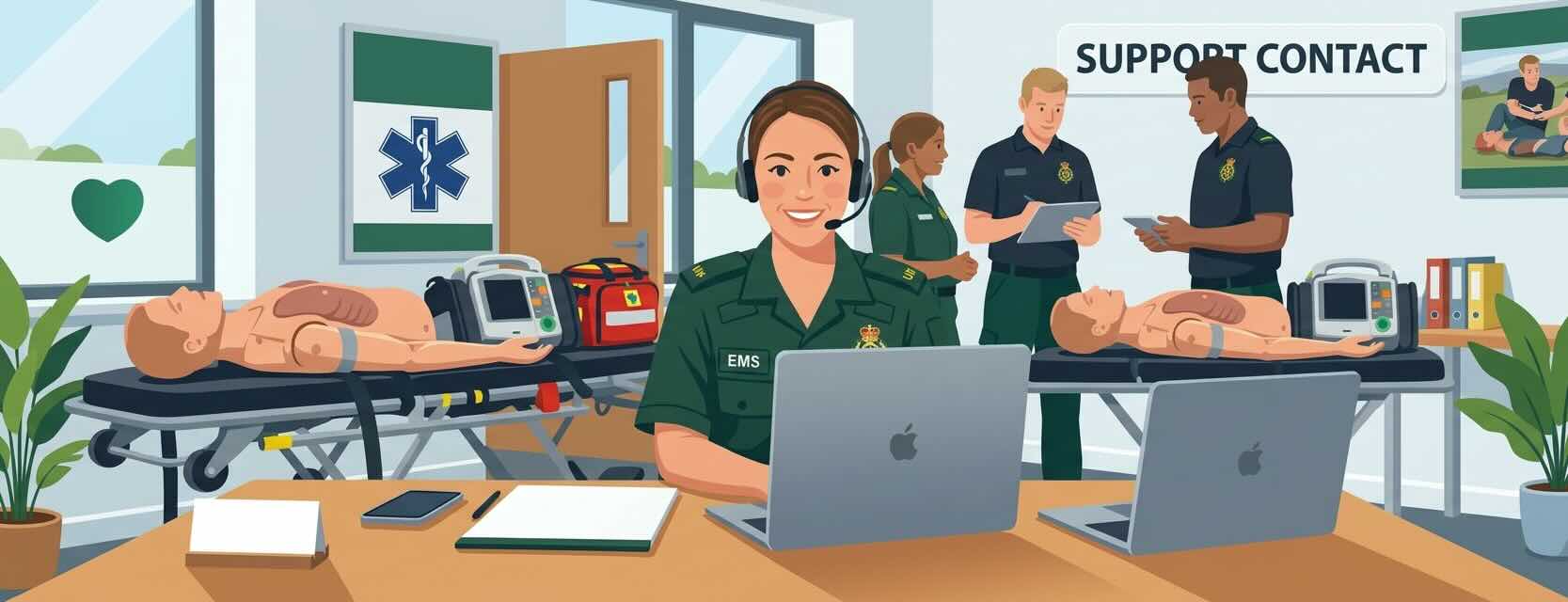
User Guide for Medics in the Film Industry
Welcome to the User Guide for Medics in the Film Industry! As a medic working in the fast-paced and dynamic environment of the film industry, your role is crucial in ensuring the health and safety of cast and crew members. This guide will provide you with essential information and guidelines to navigate your responsibilities effectively.
- Understand the Production Environment:
- Familiarize yourself with the film production process, including shooting schedules, locations, and production terminology. read the call sheet
- Communicate with the production team to stay informed about potential hazards, special effects, stunts, or other unique circumstances that may impact health and safety.
- Know Your Responsibilities:
- Provide immediate medical care and first aid to cast and crew members in case of injury, illness, or emergencies on set.
- Assess and triage injuries to determine the level of medical attention required.
- Coordinate with other medical professionals, such as paramedics or hospitals, when necessary.
- Maintain accurate and confidential medical records for all incidents and treatments provided.
- Stay up to date with relevant medical training, certifications, and licensing requirements.
- Set Up Your Medical Station: although in most cases you will be a mobile station lol.
- Establish a designated medical area on set with appropriate equipment and supplies.
- Ensure your medical station is well-stocked and easily accessible.
- Keep a variety of first aid kits, including portable kits for location shoots.
- Maintain a list of emergency contact numbers, including local hospitals and emergency services.
- Prepare for Common Medical Situations:
- Be knowledgeable about common health issues and injuries that may occur on set, such as minor cuts, burns, sprains, and heat-related illnesses.
- Have a thorough understanding of basic life support techniques, including CPR and AED usage.
- Carry necessary medications and equipment for managing allergies, asthma, or other chronic conditions among the cast and crew.
- Be prepared to handle stress-related incidents and provide emotional support when required.
- Communicate and Collaborate:
- Establish open lines of communication with the production team, including producers, directors, and department heads, to address any health and safety concerns.
- Collaborate with the production’s safety department or safety officer to ensure compliance with industry-specific safety guidelines and regulations.
- Educate cast and crew members about general health and safety practices, including proper lifting techniques, hydration, and personal protective equipment (PPE) usage.
- Stay Updated with Industry Guidelines:
- Stay informed about the latest industry-specific health and safety guidelines, regulations, and best practices.
- Attend relevant workshops, conferences, or training sessions to enhance your knowledge and skills.
- Network with other medics in the film industry to share experiences and learn from each other.
- Be Professional and Flexible:
- Maintain a professional demeanor and act with discretion and confidentiality regarding any medical issues you encounter.
- Adapt to the unique demands and unpredictable nature of film production, including irregular working hours and changing schedules.
- Medics on film/TV sets sometimes work over the agreed shift time, the film industry often take advantage of weather, good lighting etc to get a few more takes, the Set medic needs to remain on set for this to happen, so flexibility is key. Never expect to finish on time and when you do. Booyaaa
Remember, as a medic in the film industry, your primary focus is the health and safety of all individuals involved. By following these guidelines and leveraging your medical expertise, you can contribute to a safe and successful production.
Film Set Terminology and who is who
Working on a film set requires understanding and using specific terminology to effectively communicate and collaborate with the production team. Here are some key film set terminologies that you should be familiar with:
- Set:
- Refers to the physical location where filming takes place. It includes the constructed sets, props, and scenery.
- Crew:
- The collective term for all the individuals involved in the production, excluding the cast. This includes directors, producers, camera operators, lighting technicians, and various other professionals.
- Cast:
- The actors who portray the characters in the production
- Director:
- The person responsible for overseeing the artistic and creative aspects of the film. They provide guidance to the actors and crew to bring the vision of the film to life.
- Producer:
- The individual or team responsible for the financial and logistical aspects of the film production. They oversee budgeting, scheduling, and overall production coordination.
- Cinematographer/Director of Photography (DP):
- The person responsible for the visual aspects of the film, including camera work, lighting, and overall visual composition.
- Assistant Director (AD):
- Assists the director in various tasks, including scheduling, coordinating between departments, and managing the set during filming.
- Script Supervisor:
- Keeps detailed notes during filming, ensuring continuity in dialogue, actions, and props across different takes and scenes.
- Grip:
- A member of the camera crew responsible for setting up and operating camera support equipment, such as dollies, cranes, and tripods.
- Gaffer:
- The chief lighting technician who oversees the electrical department and lighting setups on set.
- Key Grip:
- The head of the grip department who works closely with the gaffer and is responsible for rigging and moving equipment on set.
- Production Designer:
- Collaborates with the director and oversees the overall visual look of the film, including sets, props, costumes, and aesthetics.
- Greens (responsible for obtaining and taking care of anything “green” or natural used in the film production)
- Location Manager:
- Finds and secures suitable shooting locations for the film production.
- Sound Mixer:
- Operates and oversees the audio equipment during filming to ensure high-quality sound recording.
- Production Assistant (PA):
- Assists various departments with tasks such as setting up equipment, distributing paperwork, and managing crowd control on set.
- Call Sheet:
- A daily schedule that outlines the scenes, locations, and timing for the day’s shoot. It also includes contact information for the cast and crew. if not sent to you, normally obtained from production office.
- Blocking:
- The process of planning and choreographing the movements and positions of actors and cameras for a particular scene.
- Shot List:
- A detailed list of all the shots required for a particular scene or sequence, including camera angles, movements, and framing.
- Take:
- Refers to a single recording of a particular shot or scene. Multiple takes may be done to capture the desired performance or technical aspects.
- Craft Services:
- The department responsible for providing meals, snacks, and beverages to the cast and crew during the production.
By familiarizing yourself with these film set terminologies, you will be better equipped to communicate and collaborate effectively with the production team and understand the unique dynamics of working on a film set.

Things i’m likely to hear on the radio
Here is a list of radio keywords commonly used on film sets, including keywords used when leaving the set:
- Copy That: Indicates that you have received and understood the message.
- Standby: A request to wait and be prepared for further instructions.
- Go Ahead: A signal to proceed with the message or action.
- 10-1: Signal for a bathroom break or personal nature call.
- 10-2: Request for a quick break or rest.
- Base Camp: The central area where production offices, trailers, and equipment are located.
- Roll Sound: A cue to the sound department to start recording audio.
- Rolling: Indicates that the camera is recording.
- Action: Signals the start of a scene or performance.
- Cut: Signals the end of a scene or performance.
- Rehearsal: Indicates that the cast should practice or run through a scene without recording.
- Picture’s Up: A call to the cast and crew to get ready for the next shot.
- Quiet on Set: Request for silence to ensure a clean audio recording.
- Background Action: Indicates that extras or background actors should start performing their actions.
- Stunt: A cue to alert the crew that a stunt is about to be performed.
- Strike: A call to dismantle or remove a set, equipment, or props.
- Martini Shot: The final shot of the day, usually signifying the end of filming.
- Wrap: Signals the end of the shooting day or completion of filming.
Keywords for Leaving Set:
- Breaking for Lunch/Dinner: Indicates that it’s time for a meal break.
- Off Set: Signals that you are leaving the immediate filming area.
- Signing Off: Indicates that you are ending your shift or leaving the set entirely.
- Stepping Out: A polite way to inform others that you are leaving the set momentarily.
- Checking Out: Indicates that you are leaving the set for the day.
Remember to always communicate clearly and use proper radio etiquette when using these keywords. Additionally, be aware of any specific radio protocols or codes implemented by the production team, as they may vary based on the project and location.
With whom do i typically communicate with
As a medic on a film set, you will typically communicate with the following individuals or departments:
- Production Office: The production office serves as the central hub for communication on the set. You can reach out to the production coordinator or production assistant to relay any important medical information, report incidents, or ask for assistance.
- Assistant Director (AD): The AD is responsible for coordinating various aspects of the production. They can help you communicate with other departments, manage the schedule, and address any safety concerns or incidents that occur on set.
- Safety Department: Many film productions have a dedicated safety department or safety officer. They work closely with the AD and are responsible for ensuring compliance with safety regulations and guidelines. Communicate with them to address safety-related matters and report incidents.
- Department Heads: Each department on the film set has a designated head or supervisor. This includes the camera department, lighting department, art department, and others. Establish good communication with these individuals, as they can provide valuable insights into potential hazards or specific health considerations related to their department.
- Cast and Crew Members: Building rapport and open communication with cast and crew members is crucial. They may approach you directly with medical concerns, injuries, or questions. It’s important to listen attentively, provide appropriate care or advice, and refer them to additional medical attention when needed.
- Location Manager: If you are working on an off-site location, the location manager is responsible for securing and managing the location. Communicate with them to understand any specific considerations or potential hazards related to the location.
Remember to maintain a professional and approachable demeanor when communicating with individuals on the film set. Effective communication will not only ensure the health and safety of everyone involved but also contribute to a collaborative and productive work environment.
List of Film Set Incidents Requiring Medical Attention
Here’s a list of potential incidents that might require a medic’s intervention on a film set, ordered by severity:
- Severe Injuries:
- Stunt accidents: Falls, collisions, or explosions involving stunt performers can lead to severe injuries like fractures, dislocations, or internal bleeding.
- Pyrotechnic accidents: Mishaps with fireworks, smoke machines, or other pyrotechnics can cause burns, smoke inhalation, or even explosions.
- Weapon malfunctions: Accidental discharges or mishaps with prop weapons can result in gunshot wounds or other traumatic injuries.
- Moderate Injuries:
- Falls: Actors or crew members tripping or falling can cause strains, sprains, or concussions.
- Cuts and lacerations: Accidents involving sharp objects can lead to cuts and lacerations that may require stitches or wound care.
- Burns: Contact with hot equipment, props, or chemicals can cause burns of varying degrees.
- Heat exhaustion or heatstroke: Working in hot conditions can lead to heat-related illnesses.
- Minor Injuries and Illnesses:
- Sprains and strains: Overexertion or awkward movements can cause sprains or strains.
- Headaches: Stress, dehydration, or exposure to loud noises can trigger headaches.
- Allergies: Reactions to props, costumes, or set environments can cause allergic reactions.
- Gastrointestinal issues: Food poisoning, dehydration, or other digestive problems can occur.
- Preventive Care:
- Pre-production medical checks: Routine health assessments can identify potential health risks and ensure actors and crew members are fit to work.
- On-set health monitoring: Regular checks can help detect early signs of fatigue, heat-related illnesses, or other health issues.
It’s important to note that this is not an exhaustive list, and other incidents may arise depending on the specific circumstances of a film production.
 Complete Guide of Essential Items for Film Set Medics
As a medic on a film set, it is essential to carry a well-equipped medical kit, necessary medications, and paperwork to provide immediate care and support. Here is a detailed guide to the items you should consider carrying:
- Medical Kit Essentials:
- Bandages: Assorted sizes of adhesive bandages for cuts and minor wounds.
- Sterile Dressings: Various sterile dressings for larger wounds and injuries.
- Gauze Pads: Non-adherent sterile gauze pads for wound management.
- Medical Tape: Waterproof adhesive tape to secure dressings.
- Antiseptic Solution: Antiseptic solution or wipes to clean wounds.
- Scissors: Medical-grade scissors for cutting dressings or clothing. preferably trauma sheers
- Tweezers: Fine-tip tweezers for removing splinters or foreign objects.
- Disposable Gloves: Latex or nitrile gloves for personal protection and hygiene.
- Resuscitation Mask: A pocket mask for performing CPR and rescue breathing.
- Instant Hot and Cold Packs: Disposable cold packs to reduce swelling or soothe injuries.
- Oral Rehydration Salts: Packets of oral rehydration salts for electrolyte replenishment.
- Splinting Materials: SAM splints or other lightweight splinting materials for immobilizing fractures or sprains.
- Triangular Bandages: Versatile triangular bandages for slings, immobilization, or bandaging.
- First Aid Manual: A comprehensive first aid manual or guide for reference.
- Thermometer: A digital thermometer to measure body temperature.
- Portable Pulse Oximeter.
- Blood pressure cuff and stethoscope: To monitor blood pressure and assess vital signs.
- Penlight: A small flashlight to examine pupils and perform basic diagnostic checks.
- Otoscope: An otoscope for examining the ears, especially if ear-related issues are anticipated. not essential
- Sterile saline solution: Used for cleaning wounds and irrigation.
- Adhesive tape: Waterproof and non-allergenic tape for securing dressings.
- Sterile gauze pads: Various sizes for wound dressing and management.
- Adhesive bandages: Assorted sizes for minor cuts and abrasions.
- CPR mask: A pocket mask with a one-way valve for administering CPR and rescue breathing.
- Instant cold packs: Disposable cold packs for reducing swelling and providing temporary pain relief.
- Tourniquet: A tourniquet for controlling severe bleeding, if authorized and trained to use.
- Sunscreen: Carry sunscreen with a high SPF to protect yourself and others from sunburn.
- Insect repellent: If shooting in outdoor locations with a high risk of insects, carry insect repellent to prevent bug bites.
- Medications:
- Analgesics and Pain Relief:
- Acetaminophen (paracetamol): Provides relief from pain and reduces fever.
- Ibuprofen: A nonsteroidal anti-inflammatory drug (NSAID) that alleviates pain, reduces inflammation, and lowers fever.
- Aspirin: A pain reliever and anti-inflammatory medication that can also be used as a blood thinner.
- Allergy Medications:
- Diphenhydramine: An antihistamine that helps relieve allergic reactions, itching, and minor allergic symptoms.
- Loratadine: A non-drowsy antihistamine used to manage allergies, hay fever, and hives.
- Cetirizine: Another antihistamine that provides relief from allergic symptoms and can be used for seasonal allergies.
- Gastrointestinal Medications:
- Antacids: Provides relief from heartburn, indigestion, and acid reflux.
- Anti-diarrheal Medication: Helps control and relieve symptoms of diarrhea.
- Loperamide: An anti-diarrheal medication that helps treat acute diarrhea and reduces stool frequency.
- Topical Medications:
- Hydrocortisone Cream: An anti-inflammatory cream for relieving itching, inflammation, and mild skin irritations.
- Antibiotic Ointment: A topical ointment to prevent infection in minor cuts, scrapes, and burns.
- Burn Gel or Cream: Provides soothing relief and aids in healing for minor burns and sunburns.
- Calamine Lotion: Helps relieve itching and soothes minor skin irritations, such as rashes or insect bites.
- Respiratory Medications:
- Saline Nasal Spray: Provides relief from nasal congestion and moisturizes nasal passages.
- Cough Suppressants: Over-the-counter cough syrups or lozenges to alleviate cough symptoms.
- Throat Lozenges: Soothes sore throat and provides temporary relief from cough or throat irritation.
- Emergency Medications:
- Epinephrine Auto-Injector: If authorized and trained, carry epinephrine auto-injectors (such as EpiPen) for emergency treatment of severe allergic reactions (anaphylaxis).
- Naloxone: An opioid overdose reversal medication used in emergencies for opioid-related overdoses.
Note: The inclusion of prescription medications in your kit should only be done if authorized and within legal and regulatory guidelines. Consult with medical professionals, follow local regulations, and consider the specific needs and requirements of the film production when determining the medications to include in your kit.
It is crucial to regularly review and replenish your medication supplies, check expiration dates, and store medications properly to maintain their efficacy and safety.
Remember to administer medications within the scope of your training and legal authorization and seek medical assistance for serious or life-threatening conditions.
- Analgesics and Pain Relief:
- Paperwork, Documentation and more: On a serious note, always always document any medication or procedure carried out.
- Incident Report Forms: Have standardized incident report forms to document any injuries, illnesses, or incidents that occur on set.
- Medical Consent Forms: Obtain signed consent forms from individuals who require medical treatment or intervention.
- Medical History Forms: Gather medical history information for cast and crew members with known medical conditions or allergies.
- Emergency Contact Information: Maintain a list of emergency contact numbers for local hospitals, emergency services, and production team members.
- Medical Records Log: Keep a log to record all medical treatments, medications administered, and follow-up care provided.
- Personal Protective Equipment (PPE):
- Disposable Gloves: Carry an ample supply of disposable gloves to maintain proper hygiene and prevent the spread of infections.
- Face Masks: Depending on the prevailing guidelines and requirements, carry appropriate face masks to protect yourself and others.
- Reflective vest
- Additional Considerations:
- Portable Equipment: If the film production involves remote or location shoots, consider carrying a portable medical kit and essential supplies in a lightweight, waterproof bag.
- Communication Device: Carry a fully charged mobile phone or two-way radio for communication and emergencies.
Remember to regularly check and replenish your medical supplies to ensure that your kit is fully stocked and up to date. Additionally, keep your certifications and licenses up to date and comply with any legal or industry-specific requirements regarding medical equipment, medications, and documentation.
Note: The specific items in the medical kit may vary based on your training, scope of practice, legal requirements, and the nature of the film production. It is important to consult with your medical director or supervisor to tailor your kit and supplies to meet the specific needs of the film industry.
Disclaimer: This guide provides general recommendations, and it is essential to consult with medical professionals and follow local regulations and guidelines when determining the appropriate items to carry as a film set medic.
Items to consider to make life easier on you
- Comfort Items: Depending on the duration of your work on set, consider carrying some personal comfort items such as a folding chair maybe with a canpoy, snacks, water bottle, and a small cooler to keep yourself refreshed and energized.
- Extra Clothing: Carry a change of clothes suitable for various weather conditions and a lightweight rain jacket or poncho for protection against rain or adverse weather.
- Multi-tool: A versatile tool with various functionalities like a knife, pliers, screwdrivers, and scissors can come in handy for minor repairs or adjustments on set.
- Head Torch, if on night shoot.
- Portable Power bank.
What qualifications do need as a film or tv medic
The requirement for First Aid at Work (FAW) or First Response Emergency Care (FREC) certification as a film set medic can vary depending on the production, jurisdiction, and the specific responsibilities assigned to the medic. Here is a general overview of these certifications:
- First Aid at Work (FAW): FAW is a comprehensive first aid certification that provides training in a wide range of first aid skills. It is typically a longer course and covers topics such as assessing and managing incidents, providing CPR, treating injuries, and handling medical emergencies. FAW certification may be required or preferred by some film productions, particularly those with larger crews or higher-risk environments. https://medicustraining.co.uk/
- First Response Emergency Care (FREC): FREC is a specialized medical training program designed specifically for those working in emergency care settings. It offers a higher level of medical training and is often recognized as a more advanced certification than standard first aid. FREC certification may be preferred or required for film set medics who are expected to handle more complex medical situations or work in remote or challenging environments. https://medicustraining.co.uk/
It’s important to note that the specific certification requirements for film set medics can vary widely depending on the country, production, and local regulations. Some productions may have specific guidelines or preferences regarding the certifications they expect from their medics. Therefore, it is advisable to check with the production company or the local governing bodies or associations related to film industry medics to determine the exact certification requirements for your specific role.
Quick Overview
- 16 minute read
- Intermediate level
- Updated 5 Oct 2026
Key Learning Points
- Film Set Terminology and who is who
- Things i’m likely to hear on the radio
- With whom do i typically communicate with
- Complete Guide of Essential Items for Film Set Medics
- Items to consider to make life easier on you
Finished this article?
Mark it as read to record your progress and collect learning points.
Self-reported reading. This does not complete a CPD reflection.Checking your reading progress…