
 Introduction:
Emergency prehospital medicine, with its roots in the Napoleonic era, has undergone a profound transformation over centuries. This article aims to provide a detailed examination of the evolution of prehospital care, delving into the historical origins, key developments, and the current state of modern Emergency Medical Services (EMS).
The Napoleonic Era:
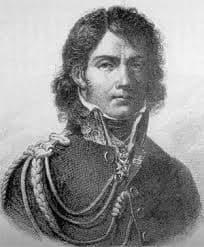
Dominique Jean Larrey, a pioneering surgeon in Napoleon’s army during the early 19th century, played a pivotal role in revolutionizing prehospital care. Larrey’s flying ambulances, mobile medical units deployed on the battlefield, represented a groundbreaking departure from conventional medical practices. These horse-drawn carriages equipped with medical supplies and staffed by trained personnel provided immediate care to wounded soldiers, significantly influencing the course of prehospital medicine.
The Flying Ambulances:
Examining Larrey’s flying ambulances in greater detail reveals a meticulous approach to prehospital care. These ambulances were not merely transport vehicles but rather sophisticated mobile medical units. The integration of medical supplies, personnel training, and rapid deployment set a new standard for providing timely and effective care in the midst of conflict.
Post-War Influence:
The success of Larrey’s innovations did not confine themselves to the battlefield. Lessons learned from the Napoleonic Wars began to influence civilian healthcare practices, gradually shaping the broader landscape of prehospital care.
The Birth of Modern EMS:
Advancements in transportation, medical knowledge, and societal needs converged in the mid-20th century, leading to the formal establishment of modern EMS. This era witnessed the emergence of Emergency Medical Technicians (EMTs) and paramedics as integral components of healthcare systems. The transition from military-focused prehospital care to civilian emergency response marked a significant leap forward in the evolution of the field.
Challenges and Innovations:
The evolution of emergency prehospital medicine has not been without challenges. Paramedics and prehospital providers constantly face unique situations, demanding ongoing adaptation and innovation. Technological advancements, including defibrillators, advanced life support equipment, and communication systems, have played a crucial role in enhancing the capabilities of prehospital care providers.
Current State and Future Prospects:
Today, the legacy of Larrey’s flying ambulances endures in the dedicated efforts of paramedics and healthcare professionals worldwide. The integration of cutting-edge technology, standardized training, and interdisciplinary collaboration characterizes the contemporary landscape of prehospital care. Looking ahead, ongoing research, advancements in telemedicine, and a commitment to continuous education signal a promising future for emergency prehospital medicine.
Conclusion:
In conclusion, the evolution of emergency prehospital medicine from the Napoleonic era to modern times is a captivating journey. Larrey’s pioneering spirit, coupled with subsequent advancements and innovations, has shaped prehospital care into a dynamic and vital component of the broader healthcare system. Understanding this evolution provides valuable insights into the challenges faced, lessons learned, and the ongoing commitment to enhancing emergency response and patient outcomes.