



EMSUK Learning 2027
Leckwith Road, Leckwith, Cardiff, CF11 8AZ
About this event
EMSUK Learning returns in 2027, bringing together clinicians, educators, students and organisations from across pre-hospital care.
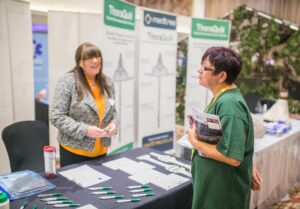
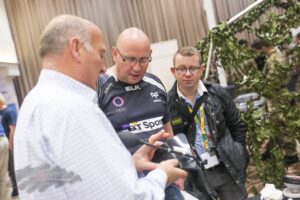
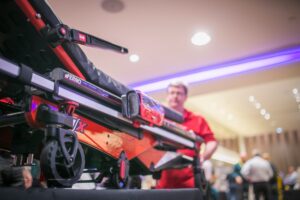
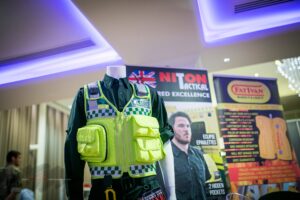
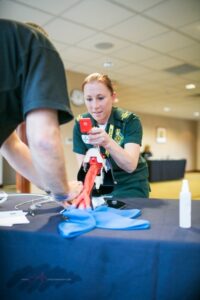
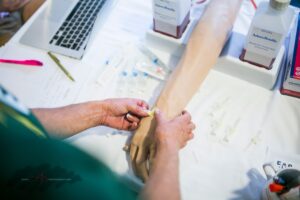
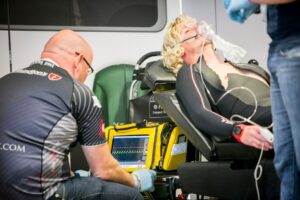
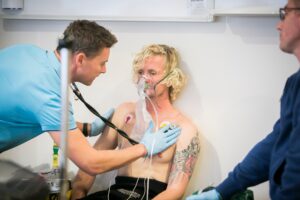
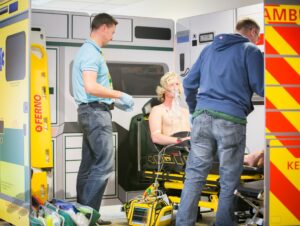
The event combines expert-led lectures, practical skill stations, industry exhibitors and live demonstrations, giving delegates the chance to learn, practise, explore new ideas and connect with others working across the profession.
Whether you are an experienced clinician, just starting your career, or involved in education, innovation or supporting frontline care, EMSUK Learning 2027 offers a practical and engaging day focused on the future of pre-hospital practice.
Learn. Practise. Discover. Connect.
EMSUK Learning 2027 — pre-hospital education made practical.
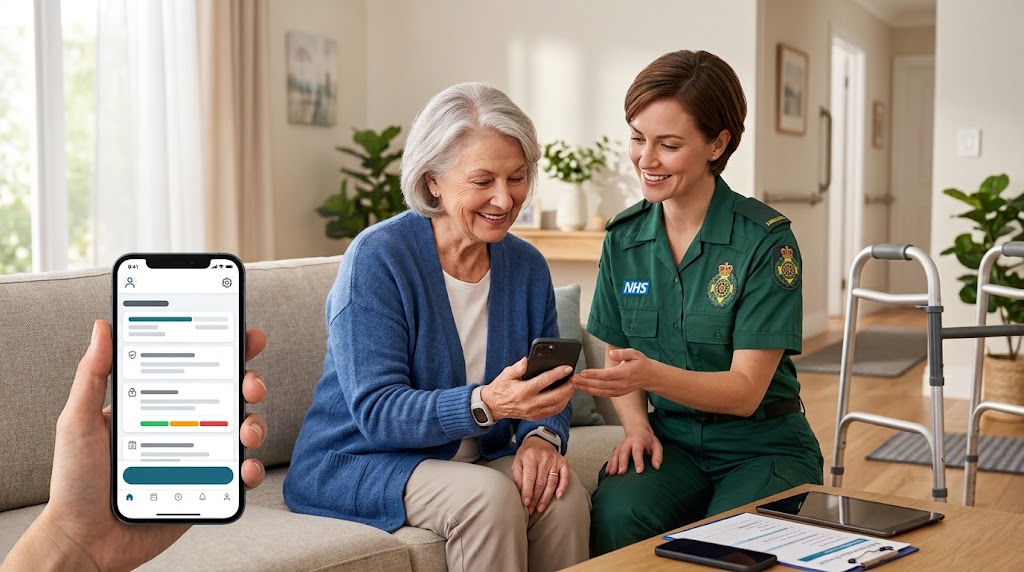
MAKE SURE to bring your mobile, there is lots of engagemnent oportunities
Tickets & registration
Early Bird Ticket
Ticket sale window:
Starts 05/10/2026 18:29 · Ends 30/11/2026 23:59
Standard Ticket
Standard Ticket prices, allows full access to the lectures, skill stations. any potential workshops. access to on the day event updates, the ability to scan QR codes to all stations, lectures and get instant access to the event certificates
Ticket sale window:
Starts 01/12/2026 00:01 · Ends 10/11/2027 09:00
Ticket sales start 01/12/2026 00:01.
Lectures & talks
Some of the most serious conditions begin with symptoms that are easy to overlook. This interactive session explores key warning signs across common prehospital presentations, helping you recognise when a patient may be deteriorating, ask the right questions and act early. Bring your clinical reasoning into the discussion and leave with practical reminders to use on your next shift.
Older patients may become seriously unwell without showing the classic signs we expect. This lecture explores how subtle changes in behaviour, mobility, appetite or cognition can signal acute illness, and how to assess the whole picture, recognise deterioration and make a safe plan for the patient.
Age-appropriate assessment, neonatal resuscitation, obstetric emergencies (PPH, eclampsia, shoulder dystocia), and family communication. Frequently requested and high-stakes.
Not every patient needs a hospital bed. The skill is knowing when a thorough assessment, clear safety-netting, and the right community pathway mean the safest place really is home. This station focuses on risk stratification, red-flag exclusion, shared decision-making, and documenting a defensible non-conveyance plan, so you leave the patient in the right place, for the right reasons.
The ambulance can be a challenging place to think clearly. Noise, time pressure, fatigue and interruptions can all affect how we assess patients and make decisions. This prehospital insight looks at how human factors shape everyday clinical practice, and shares practical ways to communicate clearly, reduce avoidable errors and support safer care on the move.
Burnout, Moral Injury & Staying Well
Prehospital work can take a lasting toll, especially when repeated exposure to distressing events or difficult decisions conflicts with what we believe good care should look like. This session explores burnout and moral injury, how they may affect clinicians and teams, and practical ways to recognise when support is needed and access it.
Skill stations
Explore how communication, sensory needs, environment and clinical approach can affect the care of autistic people and those with a learning disability.
This practical skill station focuses on adapting assessment, reducing distress and improving communication in pre-hospital settings. Delegates will work through realistic scenarios and consider simple changes that can make care safer, calmer and more effective.
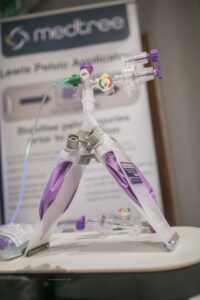
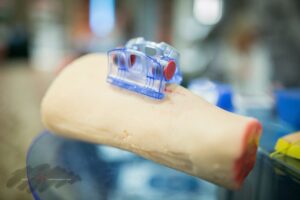
Wound packing, tourniquets, junctional bleeding, haemostatic dressings and pelvic binders using realistic simulation.
Ten Second Triage (TST), Major Incident Triage Tool (MITT), primary/secondary triage, dynamic scene leadership. VR/immersive versions are now appearing in UK programmes and are scalable for relearning.
Age-appropriate assessment, neonatal resuscitation, obstetric emergencies (PPH, eclampsia, shoulder dystocia), and family communication. Frequently requested and high-stakes.
Rapid assessment of the seriously unwell child, deterioration recognition, airway management and paediatric resuscitation. Updated paediatric guidance makes this particularly relevant.
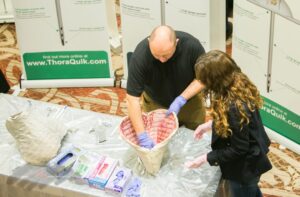
Explore the role of resuscitative thoracotomy in traumatic cardiac arrest through a facilitator-led simulation. Work through patient selection, team roles, equipment and key decision points, with emphasis on current guidance and local protocols.
This practical skill station will give delegates the opportunity to build confidence in the assessment and management of patients with a tracheostomy.
Using a hands-on approach, the session will cover recognition of common tracheostomy problems, emergency management principles, suction, tube assessment and practical troubleshooting in a pre-hospital setting.
Designed to be interactive and clinically focused, the session is ideal for anyone looking to improve their confidence when faced with a tracheostomy emergency.
Workshops
This is reserved space
Venue & Location
Cardiff Football Stadium
Leckwith Road, Leckwith, Cardiff, CF11 8AZSponsors & exhibitors
Sponsor + Exhibitor · Bronze
Sponsor + Exhibitor · Gold
Sponsor + Exhibitor · Gold
Sponsor + Exhibitor · Silver
Exhibitor
Become an event partner
Interested in sponsoring or exhibiting at this event? Send us an enquiry.
















Quick Overview
- 1 minute read
- Intermediate level
- Updated 10 Oct 2026