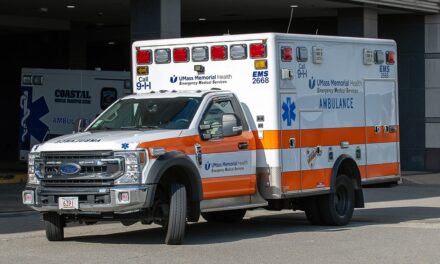

In Harris County, certain residents who habitually dial 911 are receiving care right at home no ambulance ride needed, no ER involved. Community health paramedics, working with the Harris County Emergency Corps (HCEC) and the Houston Fire Department (HFD), are stepping up to ease the strain on emergency services.
This practice, known as community paramedicine or mobile integrated healthcare, offers in-home assessments and care instead of defaulting to transport which, according to the CDC, helps reduce hospital and emergency room overcrowding and costs Houston Chronicle+1.
“It’s more than just a treatment,” says Lindsey Nanninga, a veteran paramedic turned community health paramedic at HCEC. She emphasises the importance of building trust with patients, addressing root causes of their health issues, and the deep personal fulfilment of that work Houston Chronicle.
HCEC’s program began around 2016–17 and serves unincorporated areas in northeast and northwest Harris County places where poverty, homelessness, and undocumented status are unfortunately common Houston Chronicle+1.
Meanwhile, HFD has launched the Proactive Consumer Needs Team a community paramedicine initiative introduced recently at a Public Safety & Homeland Security Committee meeting. Operating for just under a year with a four-phase rollout, the team of 13 has already identified more than 1,855 frequent 911 callers defined as patients who have dialled emergency services more than eight times in a year Houston Chronicle+1.
Over in Emergency Services District 11, efforts are underway to replicate these programs; they’re currently in the candidate-identification stage Houston Chronicle+1.
But it’s not all sunshine. These programs struggle with sustainability due to limited funding and staffing. They rely solely on Texas taxpayer dollars earmarked for EMS services. Critically, community health visits are not reimbursable through Medicare or Medicaid—meaning the care these paramedics provide is, quite literally, free for the patients Houston Chronicle+1.
That doesn’t lessen the emotional and societal impact. Nanninga points out that patient referrals often come from first-responder crews encountering individuals dealing with newly diagnosed heart failure, diabetes, or mental health crises where access to medication is a hurdle. The paramedics deliver care but also advocacy.
“When our crews are able to push a referral through,” she says, “it’s about people thinking, ‘I’m more than just another patient they transported. Somebody cared enough to advocate for me.’ Making these small differences can help the whole community” Houston Chronicle+1.
Nanninga brings 16 years of experience as a credentialed paramedic to her current role, which she’s held full-time for about five months. She’s also pursuing a bachelor’s degree in nursing at Texas A&M Corpus Christi, Houston Chronicle+1.
Importantly, both programs typically operate with just one or two full-time paramedics managing up to 100 patients each highlighting significant staffing pressures Houston Chronicle+1.
As Nanninga sums it up, the future trajectory of Texas community paramedicine is uncertain but with administrative and emergency services district support, these programs could gain the recognition and expansion they deserve. “It’s a valuable tool that not many people know about. Our agency really does care about the community, and it’s something that needs to be pushed more,” Houston Chronicle+1.