
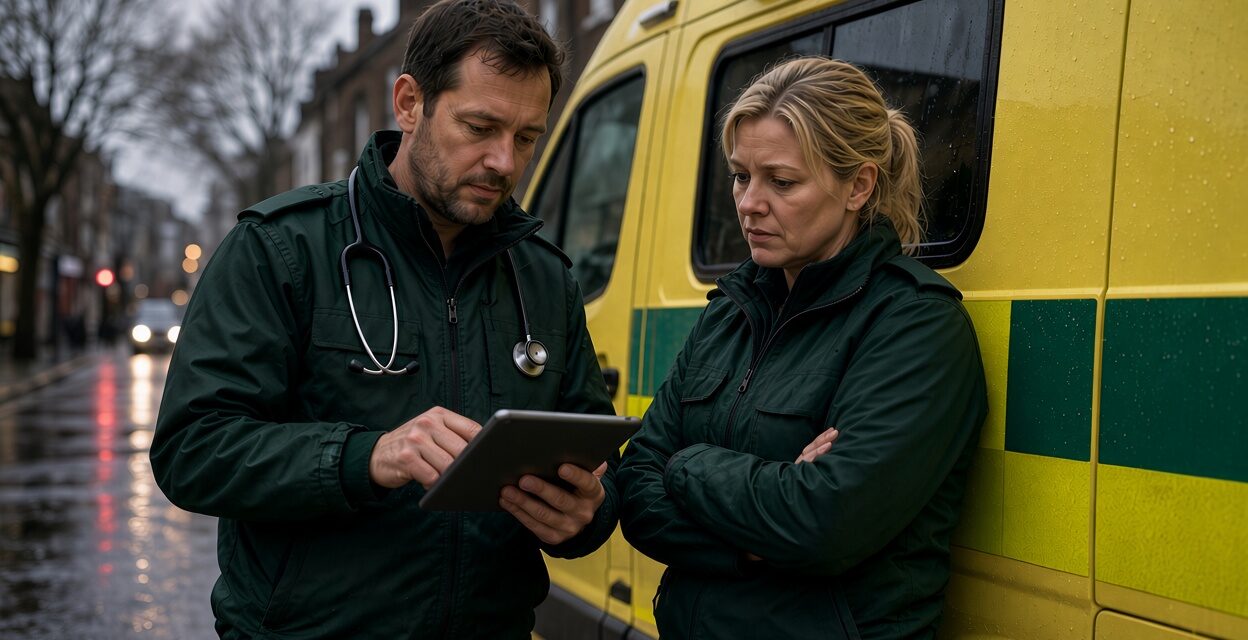
UK ambulance services continue to operate under intense strain, with paramedics and other emergency staff reporting high levels of stress, burnout and exhaustion linked to persistent staffing pressures, rising demand and operational delays. While the number of registered paramedics has grown and some trusts report stronger retention in places, many frontline crews still face long shifts that overrun, missed meal breaks, hospital handover queues and the emotional weight of repeated high-acuity calls.
Studies and staff surveys paint a consistent picture. Research published in the British Paramedic Journal and national surveys have found that more than half of paramedics experience work-related burnout in some trusts, driven by overwhelming workloads, record 999 call volumes and limited recovery time. Ambulance staff frequently rank among the highest for burnout across the NHS. Factors include 12-hour shifts that regularly extend, exposure to trauma without adequate downtime, and the moral injury of knowing patients wait longer because crews are stuck outside hospitals.
Whistleblowers and union reports have highlighted how constant pressure affects mental health. Some crews describe demand levels that feel routine at what used to be peak times, equipment frustrations and the cumulative effect of witnessing serious incidents without enough space to process them. Sickness absence and turnover remain elevated in control rooms and on the road in several areas, which in turn places more load on those still working.
At the same time, the workforce picture is more complicated than a simple shortage of people. Training places expanded in recent years, producing higher numbers of newly qualified paramedics. Yet entry-level vacancies have not kept pace in many regions. The College of Paramedics has warned of a graduate employment mismatch, with estimates that a significant proportion of new registrants may struggle to secure frontline roles. Some trusts, including South East Coast Ambulance Service, have reported limited or no vacancies for newly qualified paramedics because more existing staff are staying and funded posts have not expanded at the same rate. This creates a dual problem: experienced crews under strain from demand and capacity gaps, while new graduates face uncertain job prospects.
External reporting from the BBC, Guardian and parliamentary evidence has documented similar themes of exhausted crews, handover delays that keep ambulances out of service, and the knock-on effects for patients still waiting in the community. Trusts and the Department of Health and Social Care point to record staff numbers in some years and extra investment in wellbeing support, yet frontline accounts and independent studies continue to flag burnout, fatigue and retention risks as ongoing challenges.
Around the world, the pattern is familiar. EMS systems in the United States, parts of Europe and elsewhere report high burnout rates (often cited around 50-76% in recent surveys), staffing shortfalls, rising call volumes and difficulty retaining experienced clinicians. Air ambulance and ground services alike describe long hours, trauma exposure and organisational pressures as key drivers. The UK situation sits within this wider global pressure on emergency medical services.
The practical effects are clear. High stress and staff shortages can lengthen response times, increase sickness absence and risk losing experienced paramedics from the service. Some trusts have expanded mental health support programmes, such as in-house trauma therapists and staying-well initiatives, which staff say have helped them remain in post. Broader solutions being discussed include better workforce planning that aligns training numbers with funded posts, improved rest and break arrangements, reduced hospital delays, and stronger wellbeing resources.
For now, many UK paramedics continue to deliver care under conditions that test both clinical skill and personal resilience. Accurate recognition of the pressures, combined with practical support and realistic workforce planning, remains essential if the service is to sustain its people and protect patients.