
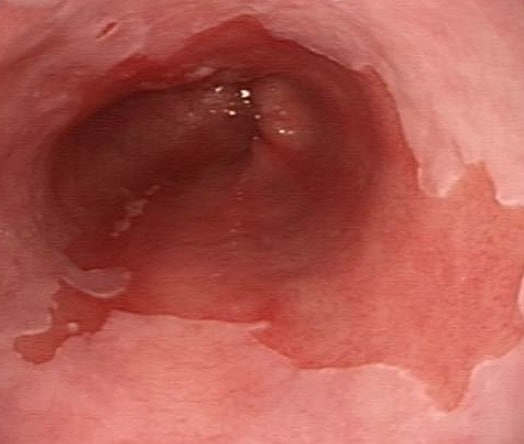
Barrett’s Oesophagus (BO) might not be something we encounter frequently on the frontlines of prehospital care, but a solid understanding of it enhances our ability to recognise risk factors, educate patients, and anticipate potential complications. As paramedics, our role often involves identifying red flags and supporting patients in accessing timely, appropriate care — especially with conditions that may progress silently until they become serious.
What is Barrett’s Oesophagus?
Barrett’s Oesophagus is a condition where the normal squamous epithelial lining of the oesophagus is replaced by columnar epithelium — a process called intestinal metaplasia. This change typically occurs in response to chronic gastro-oesophageal reflux disease (GORD/GERD). Over time, the repeated exposure of the oesophageal lining to stomach acid leads to this cellular change, which is considered precancerous.
Why Should Paramedics Care?
Though BO is primarily managed in primary or specialist care, there are a few reasons paramedics should take note:
-
Association with Oesophageal Adenocarcinoma: BO increases the risk of oesophageal cancer. While the progression is rare (approximately 0.5% per year), early detection and surveillance are critical.
-
Symptom Overlap: BO can present with symptoms that mimic other acute conditions — chest pain, dysphagia, or odynophagia. Differentiating between benign causes and life-threatening emergencies (e.g., myocardial infarction) is vital in our assessment.
-
Prehospital Education and Advocacy: For patients reporting chronic reflux symptoms, we’re in a unique position to encourage them to seek further investigation — particularly if they haven’t already been assessed.
Signs and Symptoms
Most patients with BO won’t report anything dramatically different from typical GORD symptoms, but it’s the pattern and persistence that matter:
-
Chronic heartburn (particularly if symptoms persist for more than five years)
-
Regurgitation of acid or food
-
Dysphagia (difficulty swallowing)
-
Chest discomfort not related to exertion
-
Chronic cough or hoarseness
In emergency situations, patients with BO may present with signs of oesophageal bleeding or cancer-related complications, such as:
-
Haematemesis (vomiting blood)
-
Melaena (black, tarry stools)
-
Unexplained weight loss
-
Progressive dysphagia
If you encounter any of these, especially in the context of a known BO diagnosis, urgent hospital admission is warranted.
Risk Factors
Understanding the risk profile can help guide patient questioning:
-
Long-term GORD
-
Male gender
-
Age >50
-
Caucasian ethnicity
-
Obesity, especially central adiposity
-
Smoking history
-
Family history of BO or oesophageal cancer
Prehospital Management Considerations
-
Differential Diagnosis: Chest pain in patients with BO should never be dismissed as ‘just reflux’. Cardiac causes must be ruled out first, especially in older or high-risk individuals.
-
Airway Concerns: In cases of massive reflux or vomiting, there is a small risk of aspiration. Protect the airway if the patient is drowsy or vomiting blood.
-
Pain Relief: If non-cardiac and the diagnosis is confirmed (or strongly suspected), simple analgesia (paracetamol) may help, but avoid NSAIDs as they can worsen oesophageal irritation.
-
Documentation: If a patient discloses a history of BO or is displaying relevant symptoms, it’s worth documenting in detail and flagging to receiving staff.
Conclusion
While Barrett’s Oesophagus isn’t a daily concern in paramedic practice, being aware of its implications allows us to contribute meaningfully to early detection, education, and patient advocacy. Our holistic view of health and patient history can catch the patterns that others may miss — reinforcing our critical role not only in emergency response but in preventative care pathways.
References:
-
NICE Guidelines on GORD and Barrett’s Oesophagus
-
British Society of Gastroenterology (BSG) Guidance on BO Surveillance
-
Resuscitation Council UK – Related case discussions