Walk into enough cold houses at 3 am, and you stop romanticising winter. For older people, winter isn’t cosy it’s dangerous.
Cold homes, isolation, infections, falls, missed medication, poor nutrition… these aren’t hypothetical risks. They’re what paramedics attend every single day.
This guide is based on real prehospital experience, not a corporate leaflet. It’s a straightforward breakdown of what puts elderly people at risk in winter, and what we can realistically do to keep them safe, whether you’re a paramedic, caregiver, family member, or community responder.
Why Winter Puts Elderly People at Risk
Winter magnifies every vulnerability an older adult has. Chronic conditions worsen, mobility declines, falls increase, and cold temperatures create a perfect storm for deterioration.
From a prehospital perspective, the patterns are predictable. The same call types happen again and again. The good news: many are preventable with early awareness.
The 60-Second Safety Scan: The Winter Risks You Can Spot Instantly
Paramedics develop an instinct the second they walk through a door, and in winter, that instinct is everything.
1. Is the Home Cold?
You can feel it immediately:
-
Radiators off or barely warm
-
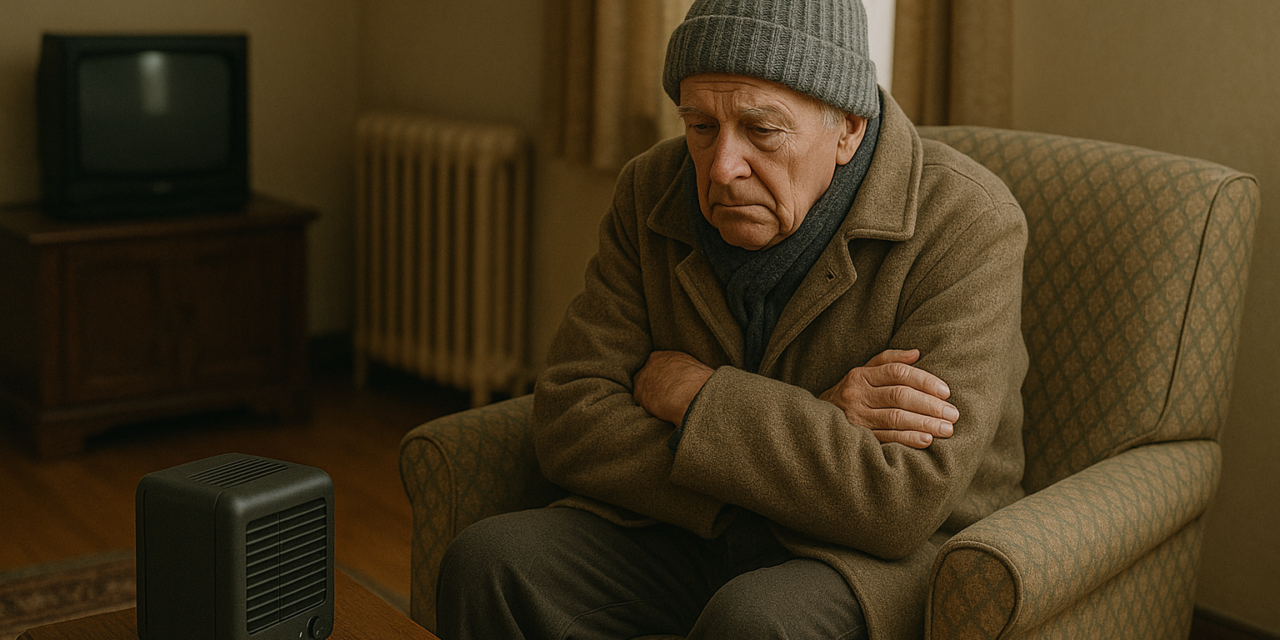
Patient wearing a coat indoors
-
Condensation, dampness, mould
-
Breath is visible when speaking
-
Plug-in heaters as the only heat source
A cold home increases the risk of:
-
Hypothermia
-
Chest infections
-
Respiratory exacerbations
-
Delirium
-
Falls
-
Avoidable cardiac events
Winter deaths often start with a cold room.
2. Are There Fall Hazards Everywhere?
Trip hazards are one of the biggest killers in older adults:
-
Loose rugs
-
Cluttered walkways
-
Extension cables
-
Polished floors
-
Poor lighting
-
Pets underfoot
A single fall can end a person’s independence permanently.
3. Is There Food in the House?
A fridge tells you more than a blood pressure reading ever will.
Red flags:
-
Empty cupboards
-
Only biscuits/snacks
-
Out-of-date food
-
No signs of cooked meals
-
Weight loss
Cold + poor nutrition = rapid winter deterioration.
4. Does Bedding Look Adequate?
Thin blankets, no thermal layers, or a cold bedroom often mean night-time hypothermia, especially after toileting trips.
Common Medical Conditions That Worsen in Winter
Some illnesses become dramatically harder to manage in cold weather. Paramedic crews see the same patterns repeatedly.
1. COPD and Asthma
Cold air triggers:
-
Bronchospasm
-
Increased mucus
-
Infective exacerbations
-
Sudden breathlessness outdoors
Check:
-
Inhaler technique
-
Whether canisters are actually full
-
Nebuliser maintenance
-
Home oxygen setup and compliance
2. Heart Failure
Cold causes vasoconstriction → increased blood pressure → fluid retention.
Watch for:
-
Swollen legs
-
Orthopnoea
-
Weight gain
-
Reduced mobility
-
Patient sleeping in a chair
Many winter admissions come from “I just thought I was slowing down.”
3. Dementia and Delirium
Delirium spikes in winter due to:
-
Cold environments
-
Infection
-
Dehydration
-
Poor nutrition
-
Social isolation
Early signs include new wandering, sudden confusion, or refusing to eat.
4. Diabetes
Cold weather increases:
-
Insulin resistance
-
Infection risk
-
Circulatory problems
Also watch for insulin stored incorrectly in very cold fridges.
5. Arthritis and Mobility Issues
Cold stiffens joints → slower reactions → more falls → more “long lies”.
A “long lie” in a cold home is one of the most dangerous winter scenarios.
Falls: The Number One Preventable Winter Emergency
Falls are the leading cause of winter morbidity for older adults. They lead to:
-
Fractures
-
Hospital admissions
-
Hypothermia
-
Loss of independence
-
Long-term care placement
Simple Interventions That Make a Big Difference
Paramedics and carers can realistically:
-
Move obvious trip hazards
-
Encourage sturdy footwear indoors
-
Improve night-time lighting
-
Suggest grab rails or mobility aids
-
Refer for falls assessments
-
Escalate when a patient has repeated falls
The Critical Question
“If you fell right now, how would you call for help?”
Common answers:
“I wouldn’t.”
“I don’t like wearing the alarm.”
“I don’t want to bother anyone.”
That’s the difference between a 10-minute fall and a 10-hour one.
Heating: The Uncomfortable Conversation That Saves Lives
Many older people don’t turn the heating on due to:
-
Cost
-
Fear of bills
-
Old boilers
-
Pride
You cannot rely on them to tell you.
Signs They’re Not Heating the Home
-
Multiple layers of clothing indoors
-
Sitting under blankets in the daytime
-
Only one room is warm (or none)
-
Ice-cold hallways
-
Damp or mould
-
Electric heaters only
Why Cold Homes Are Deadly
Hypothermia in older adults is:
-
Gradual
-
Hard to spot
-
Often mistaken for “confusion”
-
A trigger for arrhythmias
-
A cause of falls
What You Can Realistically Do
Paramedics, carers or family members can:
-
Encourage heating one room consistently
-
Shut internal doors
-
Recommend thermal clothing
-
Escalate to social services early
-
Raise safeguarding concerns if the environment is dangerous
-
Involve community teams for follow-up
-
Suggest home energy grants or warm home schemes
You can’t fix fuel poverty, but you can flag the risk early.
Winter Medication Problems: The Hidden Deterioration Trigger
Medication issues are one of the most common causes of winter 999 calls.
Typical Problems We See
-
Empty inhalers
-
Out-of-date medication
-
Missed diuretics (fear of the toilet at night)
-
Insulin timing errors
-
Overuse of sedatives
-
Confusion around antibiotics
-
Polypharmacy + dehydration
Quick Checks That Prevent Crises
-
Ask “Are you taking everything as prescribed?”
-
Look for medication untouched for weeks
-
Check inhaler canisters
-
Review dosette boxes
-
Identify anyone too confused to self-manage
If the picture looks dangerous, escalate. Don’t leave them to fail.
Social Isolation: The Silent Winter Emergency
Loneliness kills, slowly and quietly.
Signs of Isolation
-
No visitors
-
No carer input
-
No fresh food
-
Curtains closed all day
-
Patient saying, “I didn’t want to bother anyone”
-
Increased 999 calls for low-acuity issues
-
Very cold home
-
No contact numbers on the fridge
Realistic Actions
-
Encourage neighbours/family to check in
-
Refer to social services for welfare checks
-
Request a community paramedic follow-up
-
Arrange district nurse input
-
Encourage lifeline/telecare alarms
-
Document isolation concerns clearly
Most preventable winter deaths start with isolation plus cold.
Nutrition & Hydration: Overlooked But Vital
Eating and drinking properly in winter is harder for older adults.
Watch for:
-
Dry mouth
-
Low urine output
-
No food prep happening
-
Weight loss
-
Falls after dehydration-related dizziness
-
Out-of-date food everywhere
Practical Support
-
Encourage easy, ready-to-heat meals
-
Suggest keeping a drink within reach at all times
-
Escalate to carers, district nurses or Meals on Wheels if needed
Dehydration alone causes delirium, which then causes falls, which then cause admissions. Winter magnifies this cycle.
Mobility Decline and “Time on the Floor” The Winter Multiplier
A mobility decline in summer is worrying.
A mobility decline in winter is an emergency waiting to happen.
If someone struggles to stand, they’re at high risk of:
-
Falls
-
Long lies
-
Hypothermia
-
Rhabdomyolysis
-
Pressure sores
-
Delirium
Questions Every Clinician Should Ask
-
“Have you fallen recently?”
-
“How long were you on the floor?”
-
“Do you use a pendant alarm?”
-
“Who checks in on you daily?”
-
“Can you get to the bathroom safely?”
If the answer to any of these raises concern, escalate. Today.
What Paramedics Can Realistically Do in One Visit
We are not social workers.
We can’t fix the system.
But we do see what nobody else sees — the real conditions people are living in.
High-Impact Actions
-
Move a trip hazard if it’s unsafe
-
Check inhalers and meds
-
Encourage a warm single-room strategy
-
Phone carers or next of kin
-
Make urgent safeguarding referrals
-
Request community paramedic review
-
Document vulnerabilities clearly for continuity
-
Assess mobility thoroughly
-
Escalate heating concerns
-
Convey if the home is dangerously unsafe
Cold + frailty + isolation = high mortality.
Sometimes a hospital admission is the only safe option.
When You Must Escalate or Convey
You should escalate urgently if you find:
-
Multiple recent falls
-
No heating
-
Severe isolation
-
Food scarcity
-
Medication mismanagement
-
Cognitive decline
-
Unsafe home environment
-
Carer breakdown
-
Signs of abuse or neglect
Convey if the combination of medical risk + environmental risk makes staying at home unsafe.
Conclusion: Winter Survival Is About Awareness, Not Luck
M ost elderly winter emergencies aren’t sudden.
They’re progressive. Predictable. Preventable.
Cold homes.
Falls.
Isolation.
Malnutrition.
Dehydration.
Missed medication.
Slow deterioration.
Paramedics often see the warning signs before anyone else. One extra minute looking around, one honest conversation, one timely referral — that’s often the difference between a safe winter… and a 999 crisis that didn’t need to happen.
Keeping older people safe this winter isn’t complicated. It’s about noticing what others miss and acting early.
And in the prehospital world, that’s where we make the biggest difference.
CPD Log: Supporting Elderly Patients Through Winter (Sample edit as needed)
Title of Article:
A Paramedic’s Honest Guide to Helping an Elderly Person Stay Safe This Winter
Author / Source:
EMSUK Learning / https://www.emsuklearning.co.uk/a-paramedics-guide-to-helping-an-elderly-person-stay-safe-this-winter/
Type of CPD:
Self-directed reading / professional development
Date Completed:
Estimated Time to Read & Reflect:
35 minutes total
(20 minutes reading + 15 minutes reflection)
What did I learn? (What?)
This article provided a clear, honest breakdown of how winter affects elderly and vulnerable patients, based on real prehospital experience.
Key learning points included:
-
How cold homes, financial anxiety, and fuel poverty directly impact patient safety
-
Early signs of winter deterioration: reduced mobility, confusion, poor nutrition, isolation
-
Common winter medical triggers: COPD and HF exacerbations, dehydration, delirium, infections
-
Environmental red flags paramedics should assess within the first 60 seconds of entering the home
-
How to identify hidden risks such as missed medications, poor food access, or long-lie potential
-
Importance of viewing each elderly patient holistically — not just their acute complaint
Why does this matter to my practice? (So What?)
Winter puts predictable pressure on crews and predictable risk on elderly patients.
This article reinforced:
-
The value of slowing down enough to recognise early vulnerability before it turns into crisis
-
Why environmental and social factors can be as clinically important as our obs
-
The professional obligation to escalate concerns even when there is no dramatic emergency
-
How to better document winter risks to protect patients and support safeguarding action
-
The need for consistent safety-netting, referrals, and follow-up for high-risk individuals
Applying these principles will help prevent avoidable winter admissions, reduce repeat falls, and ensure safer outcomes for frail patients who are often overlooked between services.
How will this change my practice? (Now What?)
After reading the article, I plan to:
-
Conduct a more deliberate “first 60-second environment scan” on every winter elderly patient
-
Improve how I document heating concerns, food availability, social isolation, and mobility
-
Escalate earlier to community services and safeguarding when home conditions are unsafe
-
Provide clearer safety-netting advice to patients and families regarding winter deterioration
-
Use the new Winter PRF Add-On Sheet to standardise my assessments and ensure consistent reporting
-
Share this resource with colleagues to improve team awareness and support local winter resilience
Want your free download……