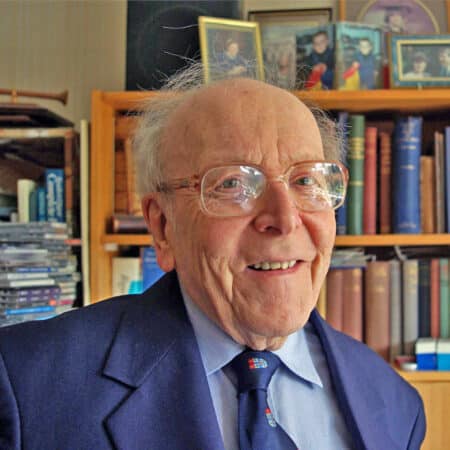
Professor Douglas Chamberlain played a pivotal role in reshaping emergency medical services (EMS), particularly through his advocacy for the introduction of paramedics. Born on December 8, 1939, Chamberlain embarked on a transformative journey that would revolutionize pre-hospital care and cardiac arrest treatment, leaving an indelible mark on the medical community worldwide.
In the 1960s, emergency medical services were rudimentary, with fragmented systems and limited resources. Recognizing the urgent need for organized and efficient pre-hospital interventions, Chamberlain became a driving force in advocating for the introduction of paramedics. These highly trained professionals, equipped with advanced medical skills and equipment, would bridge the gap between the scene of an emergency and definitive care in the hospital.
Chamberlain’s vision for paramedicine was not merely theoretical; he actively worked to bring it to fruition. Collaborating with colleagues and policymakers, he championed the development of paramedic training programs and protocols, laying the groundwork for a new era in emergency medical care. His efforts culminated in the establishment of the first paramedic services in the United Kingdom in the early 1970s, setting a precedent for similar initiatives around the world.
 Among Chamberlain’s most significant contributions was his advocacy for early defibrillation in the treatment of cardiac arrest. He recognized that equipping paramedics with defibrillators could significantly improve outcomes for patients experiencing cardiac arrest outside the hospital setting. Through rigorous research and relentless advocacy, Chamberlain demonstrated the efficacy of early defibrillation, leading to its widespread adoption in EMS systems globally.
As an educator and mentor, Chamberlain played a crucial role in training the next generation of emergency medical professionals, instilling in them his passion for excellence and innovation. His leadership and guidance were instrumental in shaping the evolution of paramedicine, ensuring that future generations would continue to build upon his pioneering work.
Throughout his illustrious career, Chamberlain received numerous accolades and honors, including prestigious awards from medical societies and institutions worldwide. However, his greatest legacy lies in the countless lives saved and improved through his visionary contributions to emergency medical care.
Professor Douglas Chamberlain’s impact on EMS transcends borders and generations, cementing his legacy as a true visionary and trailblazer in the field. His advocacy for the introduction of paramedics, coupled with his groundbreaking research on early defibrillation, continues to shape the practice of emergency medicine and save lives around the globe.
source: EMSUK Learning