








Introduction: Paramedics play a crucial role in providing immediate medical attention to patients in emergency situations. One of the methods traditionally employed for assessing a patient’s responsiveness is the sternal rub. However, recent medical advancements and ethical considerations have prompted a reevaluation of this technique. This article delves into the reasons why paramedics should no longer undertake sternal rubs and explores alternative pain assessment techniques.
The Sternal Rub Technique: The sternal rub is a painful stimulus applied by rubbing the knuckles or fingertips briskly across the patient’s sternum. It is intended to elicit a response, such as movement or vocalization, from a patient who is unresponsive. Historically, this method has been used as a quick way to assess a patient’s level of consciousness and responsiveness. However, medical professionals are now recognizing the potential drawbacks and limitations of this technique.
Drawbacks and Limitations:
- Inaccurate Assessment: The sternal rub can be highly uncomfortable and even painful for the patient. In some cases, a patient might not respond due to shock or other medical conditions rather than true unconsciousness. This could lead to a misdiagnosis and potentially delay appropriate care.
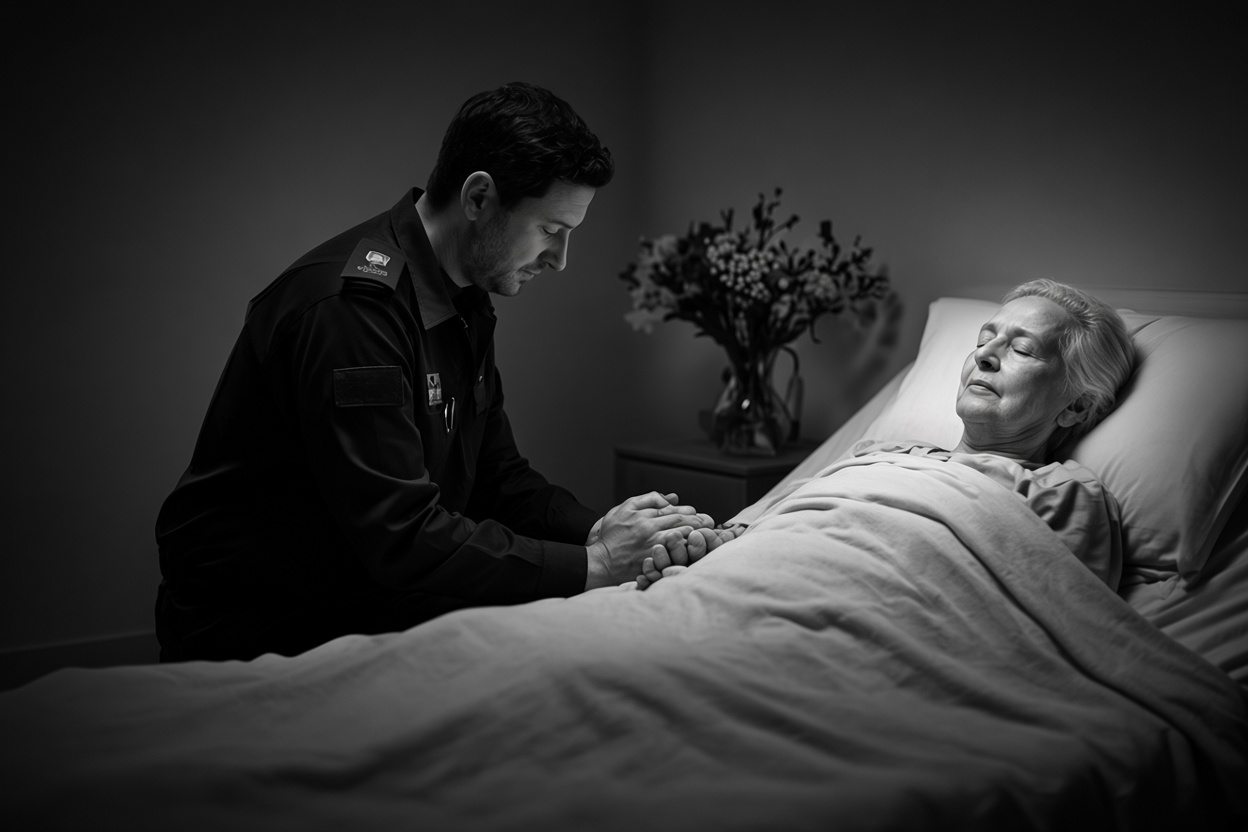
- Ethical Concerns: Applying painful stimuli to an unconscious patient raises ethical concerns, particularly in situations where the patient’s true level of consciousness is unclear. Such practices go against the principle of “do no harm” and may not align with patient-centered care.
- Possible Harm: The sternal rub technique carries the risk of causing physical harm, such as bruising, broken ribs, or injury to the sternum itself. These risks are especially pronounced in vulnerable populations, such as the elderly or those with preexisting medical conditions.
- Lack of Standardization: The sternal rub lacks standardized guidelines for application. The degree of pressure, duration, and technique can vary among paramedics, leading to inconsistent and potentially unreliable results.
Alternative Pain Assessment Techniques:
- Pain Response Observation: Observing for facial expressions, grimacing, or other signs of discomfort when moving or touching a patient can provide insight into their level of consciousness and pain response.
- Use of Technology: Technological advancements have led to the development of devices that can monitor vital signs and assess consciousness levels without inflicting pain. These devices can provide accurate data to paramedics for making informed decisions.
- Glasgow Coma Scale (GCS): The GCS is a standardized scoring system that assesses a patient’s level of consciousness based on eye, verbal, and motor responses. This method is more reliable and less invasive than the sternal rub.
Conclusion: In light of the limitations, ethical concerns, and potential harm associated with the sternal rub technique, it is imperative for paramedics to adopt alternative pain assessment methods. Embracing modern medical advancements and adhering to patient-centered care principles will not only improve the accuracy of assessing consciousness levels but also uphold the dignity and well-being of patients in emergency situations.
References:
- Smith, M. (2016). Pain management in the prehospital environment. Journal of Emergency Medical Services, 41(11), 22-26.
- Callaway, D. W., Shapiro, N. I., Donnino, M. W., & Baker, C. (2015). Serum lactate and base deficit as predictors of mortality in normotensive elderly blunt trauma patients. Journal of Trauma and Acute Care Surgery, 79(6), 929-934.
- Khandelwal, N., & Khorsand, S. (2020). Current use of painful stimuli in prehospital and emergency care. Emergency Medicine Journal, 37(3), 136-141.
- Teasdale, G., & Jennett, B. (1974). Assessment of coma and impaired consciousness: A practical scale. The Lancet, 304(7872), 81-84.
Quick Overview
- 3 minute read
- Intermediate level
- Updated 5 Oct 2026
Finished this article?
Mark it as read to record your progress and collect learning points.
Self-reported reading. This does not complete a CPD reflection.Checking your reading progress…